

What are the ingredients of jelly fuel?
Nov 07, 2025
What are the ingredients of jelly fuel?
As a seasoned supplier of jelly fuel, I've had numerous inquiries about the ingredients that make up this remarkable product. Jelly fuel, also known as gel fuel, is a popular choice for various applications, from chafing dishes at buffets to camping stoves and even decorative fireplaces. Its unique gel-like consistency offers several advantages over traditional liquid fuels, such as reduced spillage, longer burn times, and a more controlled flame. In this blog post, I'll delve into the key ingredients of jelly fuel and explain how they contribute to its performance.
The Primary Fuel Source: Alcohol
The most common primary fuel source in jelly fuel is alcohol, specifically ethanol or methanol. Ethanol, also known as grain alcohol, is a renewable and relatively clean-burning fuel. It is derived from the fermentation of sugars and starches, typically from crops like corn, sugarcane, or wheat. Ethanol is widely used in food service applications, such as chafing dishes, because it burns cleanly, producing minimal smoke and odor. It is also non-toxic, making it a safe choice for use in enclosed spaces.
Methanol, on the other hand, is a simpler alcohol that is typically derived from natural gas or coal. It is a more powerful fuel than ethanol, with a higher energy density, which means it can produce more heat per unit of volume. However, methanol is also more toxic and flammable than ethanol, and it requires careful handling and storage. Methanol is commonly used in industrial applications, such as camping stoves and marine heaters, where its high energy output is desirable.
Gelling Agents
To transform the liquid alcohol into a gel-like consistency, a gelling agent is added to the fuel. The gelling agent works by forming a three-dimensional network of molecules that traps the alcohol within its structure, preventing it from flowing freely. There are several types of gelling agents that can be used in jelly fuel, each with its own unique properties and advantages.
One of the most commonly used gelling agents is sodium carboxymethyl cellulose (CMC). CMC is a water-soluble polymer that is derived from cellulose, a natural polymer found in plants. It is a safe and non-toxic gelling agent that is widely used in the food and pharmaceutical industries. CMC forms a stable gel with alcohol, providing good viscosity and consistency. It also has excellent water retention properties, which helps to prevent the gel from drying out over time.
Another popular gelling agent is hydroxypropyl methylcellulose (HPMC). HPMC is a synthetic polymer that is similar to CMC but has some additional advantages. It is more resistant to heat and moisture than CMC, which makes it a better choice for use in high-temperature applications. HPMC also has a lower viscosity than CMC, which allows for easier pouring and dispensing of the jelly fuel.
In addition to CMC and HPMC, other gelling agents that can be used in jelly fuel include fumed silica, bentonite clay, and polyacrylamide. Each of these gelling agents has its own unique properties and advantages, and the choice of gelling agent will depend on the specific application and requirements of the jelly fuel.
Additives
In addition to the primary fuel source and gelling agent, jelly fuel may also contain a variety of additives to improve its performance and safety. These additives can include antioxidants, stabilizers, colorants, and fragrances.
Antioxidants are added to the jelly fuel to prevent the alcohol from oxidizing and forming harmful byproducts over time. Oxidation can cause the fuel to become unstable and produce a foul odor and smoke. Antioxidants work by scavenging free radicals, which are highly reactive molecules that can cause oxidation. Common antioxidants used in jelly fuel include butylated hydroxytoluene (BHT) and butylated hydroxyanisole (BHA).
Stabilizers are added to the jelly fuel to improve its stability and prevent it from separating or breaking down over time. Stabilizers work by preventing the gelling agent from breaking down or losing its effectiveness. Common stabilizers used in jelly fuel include magnesium stearate and calcium stearate.
Colorants are added to the jelly fuel to give it a specific color or appearance. Colorants can be used to make the jelly fuel more visually appealing or to indicate its specific properties or intended use. Common colorants used in jelly fuel include food-grade dyes and pigments.
Fragrances are added to the jelly fuel to give it a pleasant odor. Fragrances can be used to mask the odor of the alcohol or to provide a specific scent, such as a citrus or floral aroma. Common fragrances used in jelly fuel include essential oils and synthetic fragrances.
Our Product Range
At our company, we offer a wide range of jelly fuel products to meet the needs of our customers. Our products are formulated using high-quality ingredients and advanced manufacturing processes to ensure their performance and safety.
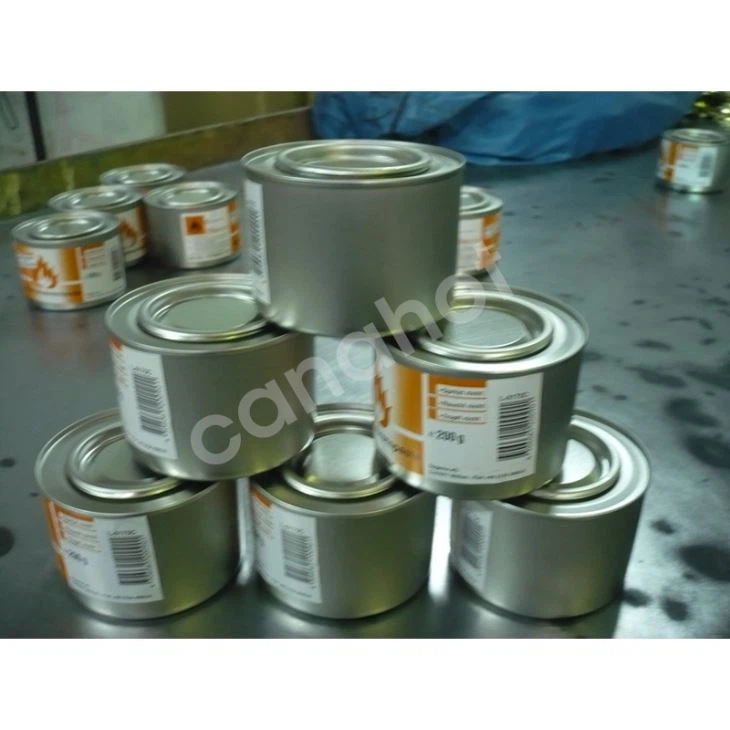
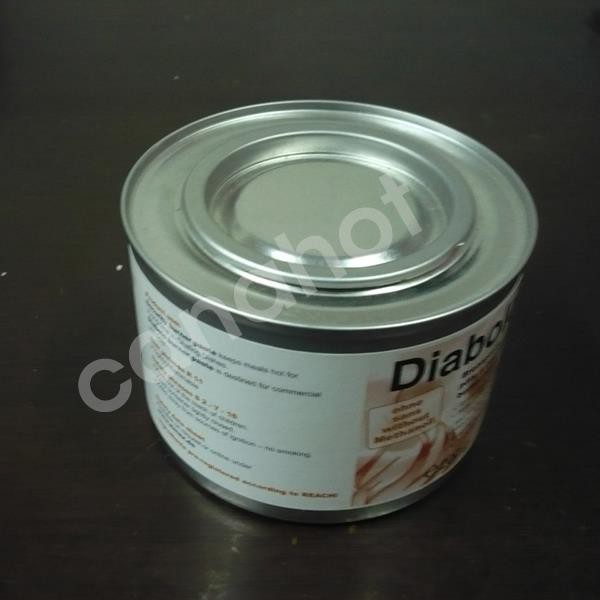
One of our most popular products is the Reusable Canned 2h/3h Gel Alcohol Paste/methanol Fuel, Smokeless, Odorless and Non-toxic Fuel. This product is designed for use in chafing dishes and other food service applications. It is made from a blend of ethanol and a proprietary gelling agent, which provides a clean and consistent burn. The fuel is available in both 2-hour and 3-hour burn times, and it is packaged in a reusable can for easy storage and handling.
Another popular product is the Liquid Wick Chafing Fuel –Screw Cap. This product is designed for use in chafing dishes and other food service applications. It is made from a blend of ethanol and a proprietary gelling agent, which provides a clean and consistent burn. The fuel is packaged in a convenient screw-cap bottle, which makes it easy to pour and dispense.
We also offer a Ethanol Buffet Fuel, which is specifically designed for use in buffet settings. This product is made from a high-quality ethanol blend, which provides a clean and consistent burn. The fuel is available in a variety of sizes and burn times, and it is packaged in a convenient and easy-to-use container.
Contact Us for Purchasing
If you're interested in purchasing our jelly fuel products, we encourage you to contact us for more information. Our team of experts is available to answer any questions you may have and to help you choose the right product for your specific needs. We offer competitive pricing, fast shipping, and excellent customer service, so you can be confident that you're making the right choice when you choose our jelly fuel products.
References
- Kirk-Othmer Encyclopedia of Chemical Technology. John Wiley & Sons, Inc.
- Ullmann's Encyclopedia of Industrial Chemistry. Wiley-VCH Verlag GmbH & Co. KGaA.
- Handbook of Fuel Cells: Fundamentals, Technology, and Applications. John Wiley & Sons, Ltd.