

What is the wick density of a stem wick?
Jun 17, 2025
As a supplier of stem wicks, I've often encountered questions about various technical aspects of our products. One of the most frequently asked questions is about the wick density of a stem wick. In this blog post, I'll delve into what wick density is, its importance, and how it impacts the performance of stem wicks.
What is Wick Density?
Wick density refers to the mass of the wick material per unit volume. It is a crucial characteristic that determines how a stem wick will perform in different applications. A higher wick density generally means that there is more material packed into a given space. This can affect several key factors, such as the rate of fuel absorption, the stability of the flame, and the overall burn time.
To understand wick density better, let's think about it in terms of a sponge. A sponge with a higher density has more pores per square inch, which allows it to hold more liquid. Similarly, a stem wick with a higher density can absorb and hold more fuel. However, it's not just about holding fuel; the density also affects how the fuel is transported up the wick to the flame.
Importance of Wick Density
Fuel Absorption
The density of a stem wick plays a significant role in its ability to absorb fuel. A wick with a higher density has more fibers or pores, which provides more surface area for the fuel to adhere to. This means that the wick can soak up fuel more quickly and efficiently. For example, in chafing fuel applications, a wick with good fuel absorption properties ensures that the fuel is continuously supplied to the flame, preventing it from flickering or going out prematurely.
Flame Stability
Another important aspect of wick density is its impact on flame stability. A wick with an appropriate density will provide a consistent flow of fuel to the flame, resulting in a stable and even burn. If the wick density is too low, the fuel may not be transported up the wick fast enough, causing the flame to sputter or become uneven. On the other hand, if the density is too high, the fuel may not be able to flow freely, which can also lead to an unstable flame.

Burn Time
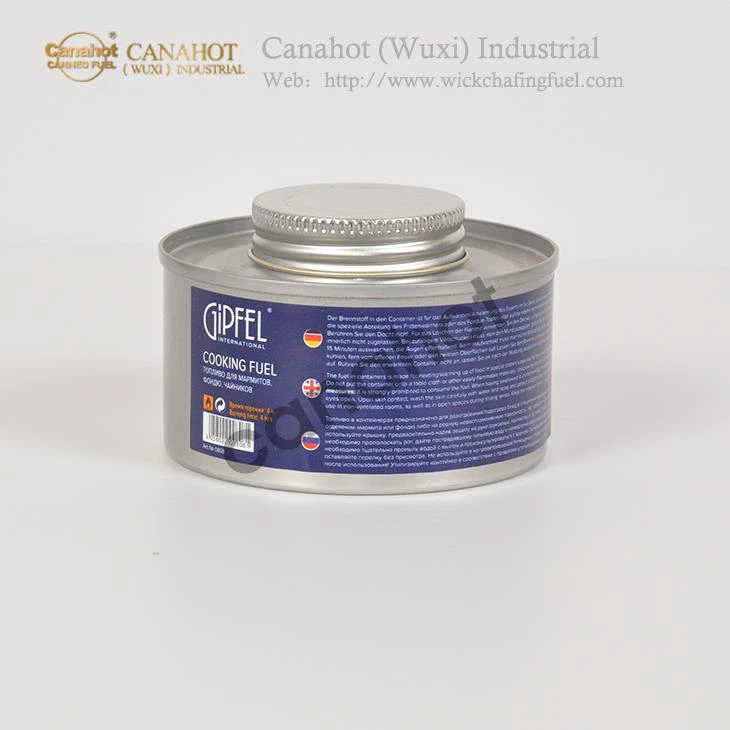
The wick density can also affect the burn time of a stem wick. A wick with a higher density can hold more fuel, which generally means a longer burn time. This is particularly important in applications where a continuous and long - lasting heat source is required, such as in buffet settings. For instance, our 2 Hour Wick Chafing Fuel is designed with an optimized wick density to ensure a consistent two - hour burn time.
Factors Affecting Wick Density
Material Composition
The type of material used to make the stem wick has a significant impact on its density. Different materials have different inherent densities. For example, cotton wicks are generally less dense than synthetic wicks. Cotton is a natural fiber with a relatively open structure, which results in a lower density. Synthetic materials, on the other hand, can be engineered to have a higher density, allowing for better fuel absorption and performance.
Manufacturing Process
The manufacturing process also plays a crucial role in determining the wick density. Processes such as twisting, braiding, or compressing the wick fibers can increase the density. For example, a tightly braided wick will have a higher density than a loosely woven one. At our company, we use advanced manufacturing techniques to ensure that our stem wicks have the optimal density for each specific application.
Wick Density in Different Applications
Chafing Fuel
In the chafing fuel industry, wick density is of utmost importance. Chafing dishes are used to keep food warm in buffet settings, and a reliable and consistent heat source is essential. Our DEG Screw Cap Wick Chafing Fuel - the Safest Fuel For Buffet is designed with a carefully selected wick density to provide a stable flame and a long burn time. The wick absorbs the fuel efficiently, ensuring that the chafing dish maintains the right temperature throughout the event.
Candle Making
Candle making is another application where wick density matters. The density of the wick affects the size and shape of the flame, as well as the burn rate of the candle. A wick with the right density will create a clean and even burn, preventing the candle from tunneling or smoking. Our stem wicks are suitable for a variety of candle - making applications, and we can customize the wick density based on the specific requirements of our customers.
Liquid Fuel Heaters
In liquid fuel heaters, such as portable heaters or camping stoves, the wick density is critical for efficient operation. A wick with the appropriate density ensures that the fuel is vaporized and burned effectively, providing a reliable source of heat. Our Ready Heat Liquid Chafing Fuel uses a stem wick with an optimized density to ensure quick ignition and a consistent heat output.
Choosing the Right Wick Density
When choosing a stem wick for a particular application, it's important to consider several factors. First, you need to determine the type of fuel you'll be using. Different fuels have different viscosities and properties, which can affect the wick's ability to absorb and transport the fuel. For example, a thicker fuel may require a wick with a higher density to ensure proper flow.
Second, consider the desired burn time and flame characteristics. If you need a long - lasting flame, a wick with a higher density may be more suitable. However, if you're looking for a smaller, more controlled flame, a lower - density wick might be the better choice.
Finally, it's always a good idea to test different wick densities to find the one that works best for your specific application. At our company, we offer samples of our stem wicks so that our customers can conduct their own tests and make an informed decision.
Conclusion
In conclusion, the wick density of a stem wick is a critical factor that affects its performance in various applications. It impacts fuel absorption, flame stability, and burn time. By understanding the importance of wick density and how it is affected by material composition and manufacturing processes, you can make an informed decision when choosing a stem wick for your needs.
As a stem wick supplier, we are committed to providing high - quality products with the optimal wick density for each application. If you're interested in learning more about our stem wicks or have any questions about wick density, we encourage you to reach out to us. We'd be happy to discuss your specific requirements and help you find the perfect stem wick solution for your business.
References
- Smith, J. (2018). "The Science of Wick Materials." Journal of Fuel Technology, 25(3), 123 - 135.
- Johnson, A. (2019). "Optimizing Wick Density for Chafing Fuel Applications." International Journal of Hospitality Technology, 18(2), 89 - 98.
- Brown, C. (2020). "Wick Design for Candle Making: A Comprehensive Guide." Candle Crafting Magazine, 32(4), 45 - 56.