

How to determine whether the wick fuel is safe
May 06, 2025
Flash point of fuel
Flash point refers to the lowest temperature at which a fuel can flash under certain conditions. The higher the flash point, the less likely the fuel is to ignite at room temperature and the safer it is. You can check the fuel's technical specifications or consult the supplier to find out its flash point.
volatility
Fuels with lower volatility are less likely to volatilize and form flammable gases in a normal environment, reducing the risk of fire and explosion. Generally speaking, the volatility of vegetable oil is relatively low, while the volatility of kerosene, diesel, etc. is relatively high.
Combustion products
Understand the substances produced after fuel combustion. If the combustion products are mainly carbon dioxide and water, and the content of harmful substances (such as carbon monoxide, sulfide, etc.) is low, it is generally considered relatively safe.
stability
Stable fuel is less likely to undergo chemical reactions or deteriorate during storage and use. Check the fuel for abnormalities such as stratification, precipitation, and discoloration to determine its stability.
Packaging and labeling
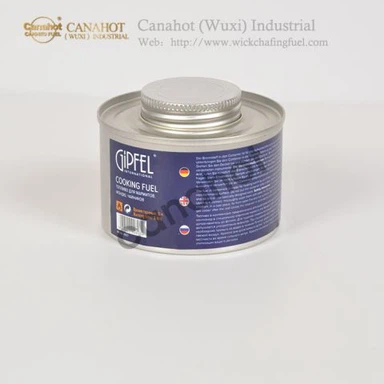
Regular and safe wick fuel should have clear and accurate packaging labels, including ingredients, instructions for use, warning information, safety certification marks, etc.
Storage conditions
Pay attention to the recommended storage conditions for the fuel, such as temperature, humidity, ventilation requirements, etc. If the fuel can remain stable in common storage environments, it is safer.
Supplier Reputation
Choose fuel from a well-known, reputable supplier who usually conducts quality control and safety testing on their products.
Relevant regulations and standards
Check whether the fuel complies with local regulations and safety standards.
If you need high quality gas fireplace fuels, please contact Canahot Hotel Supplies for more questions.